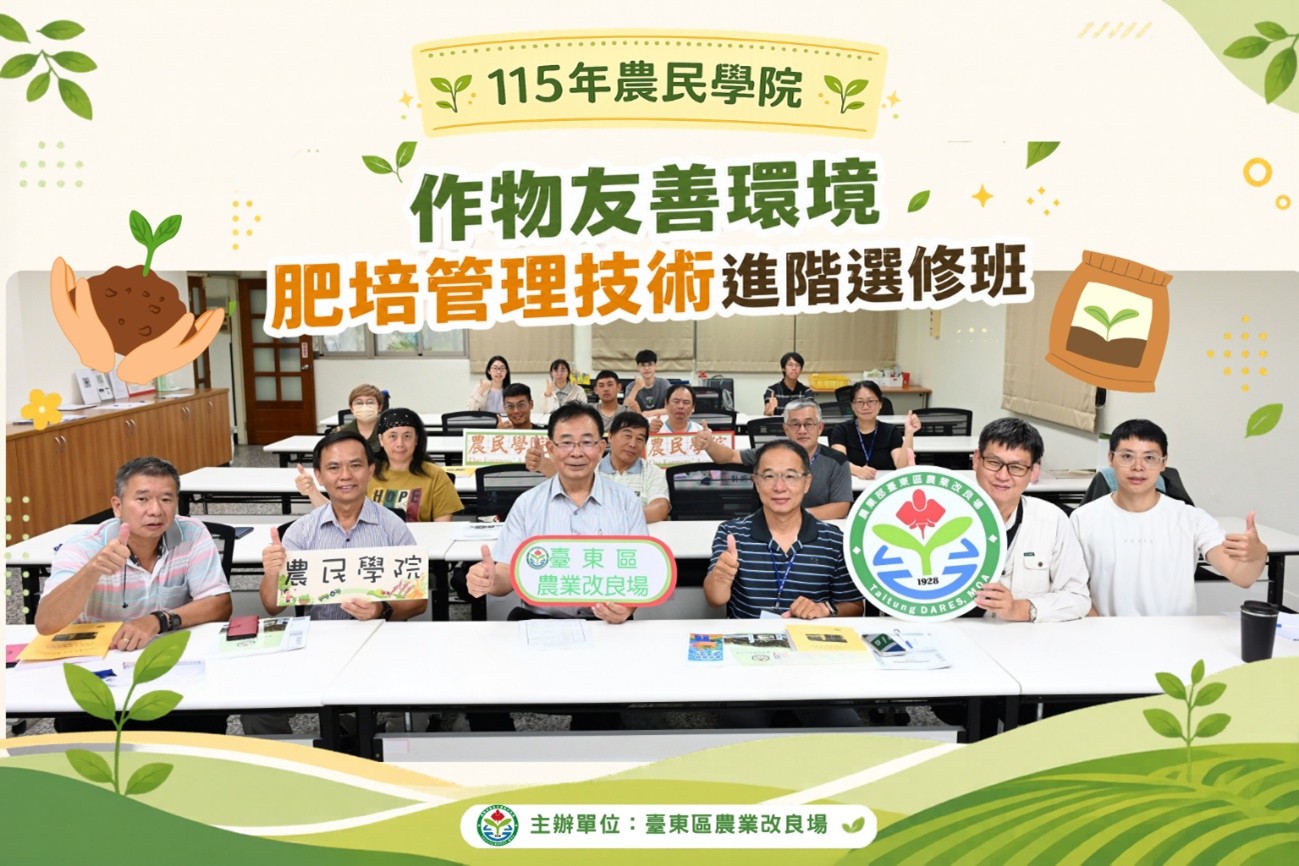
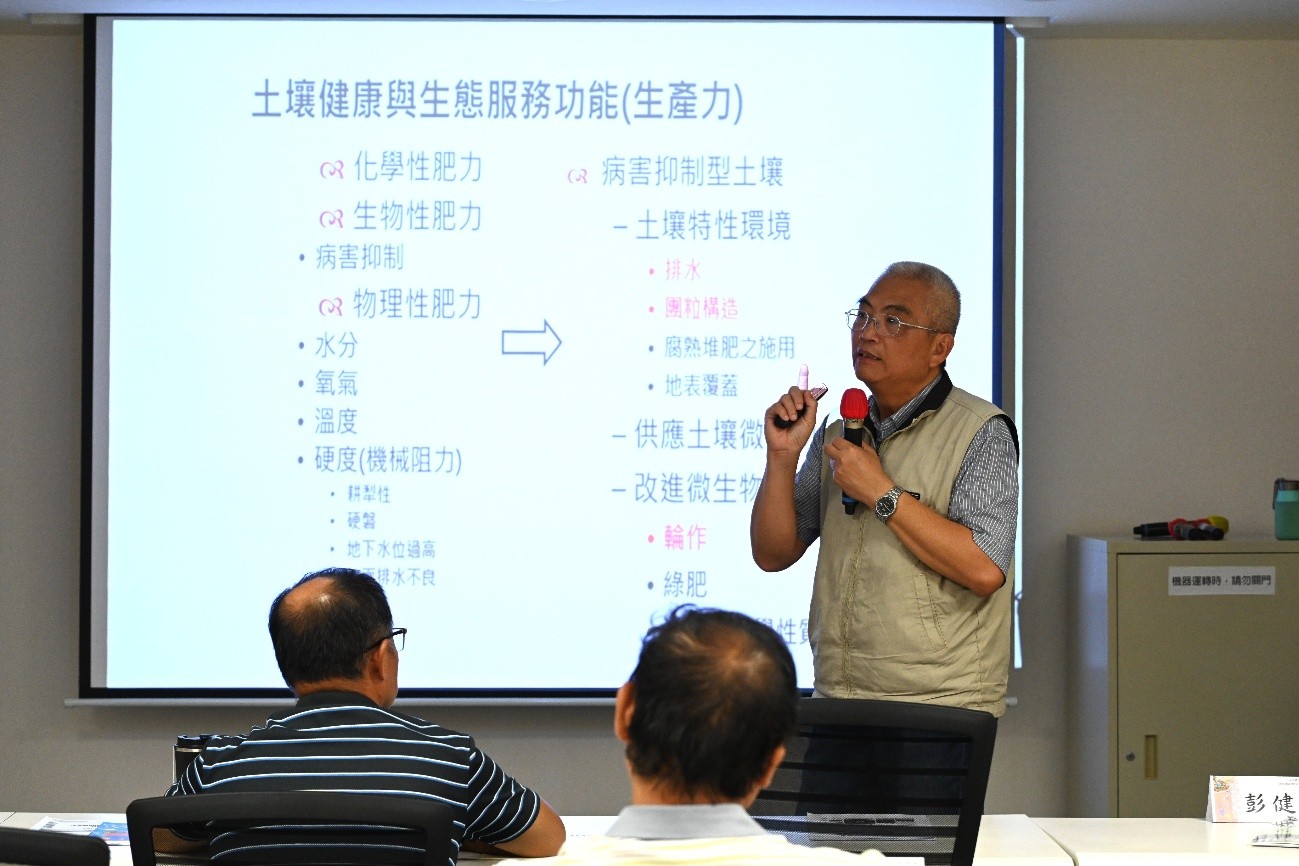
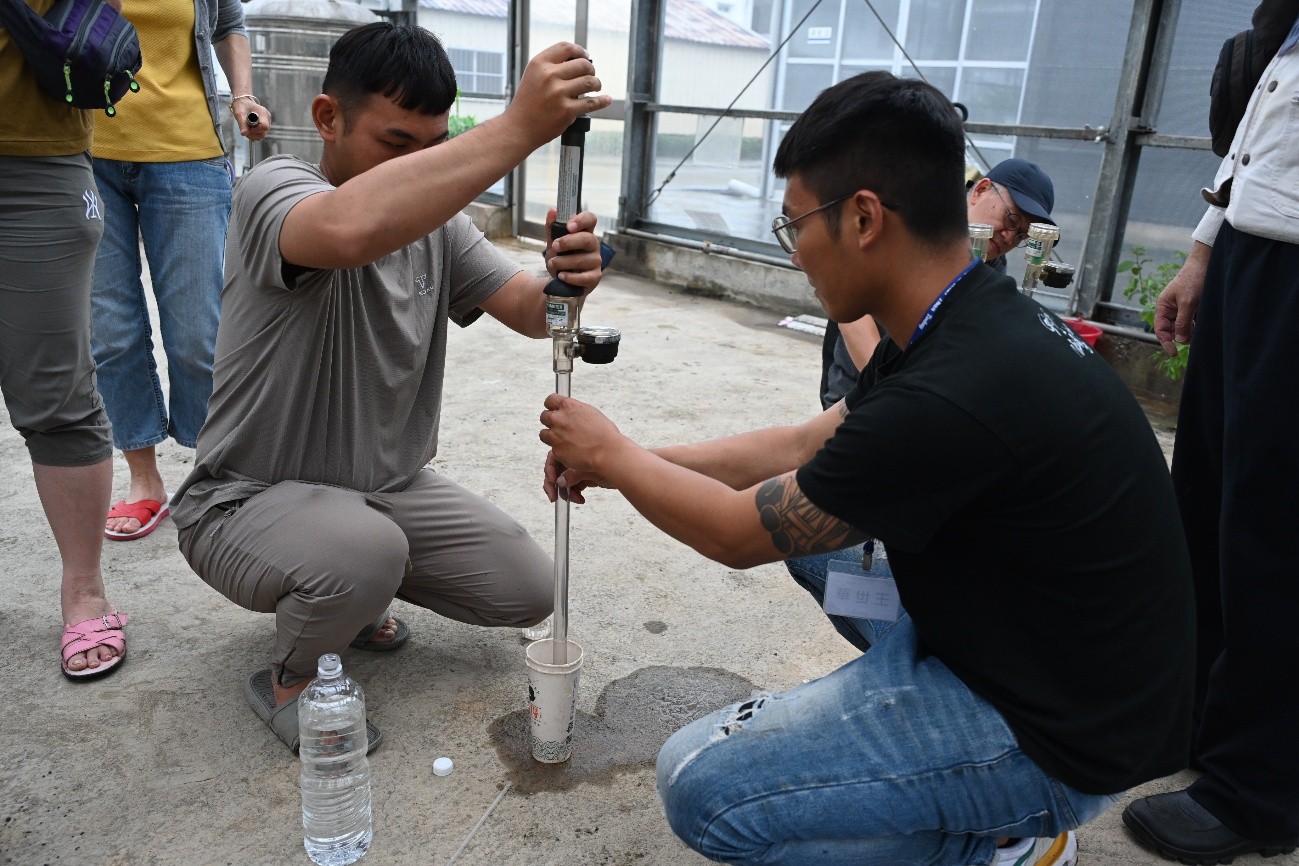
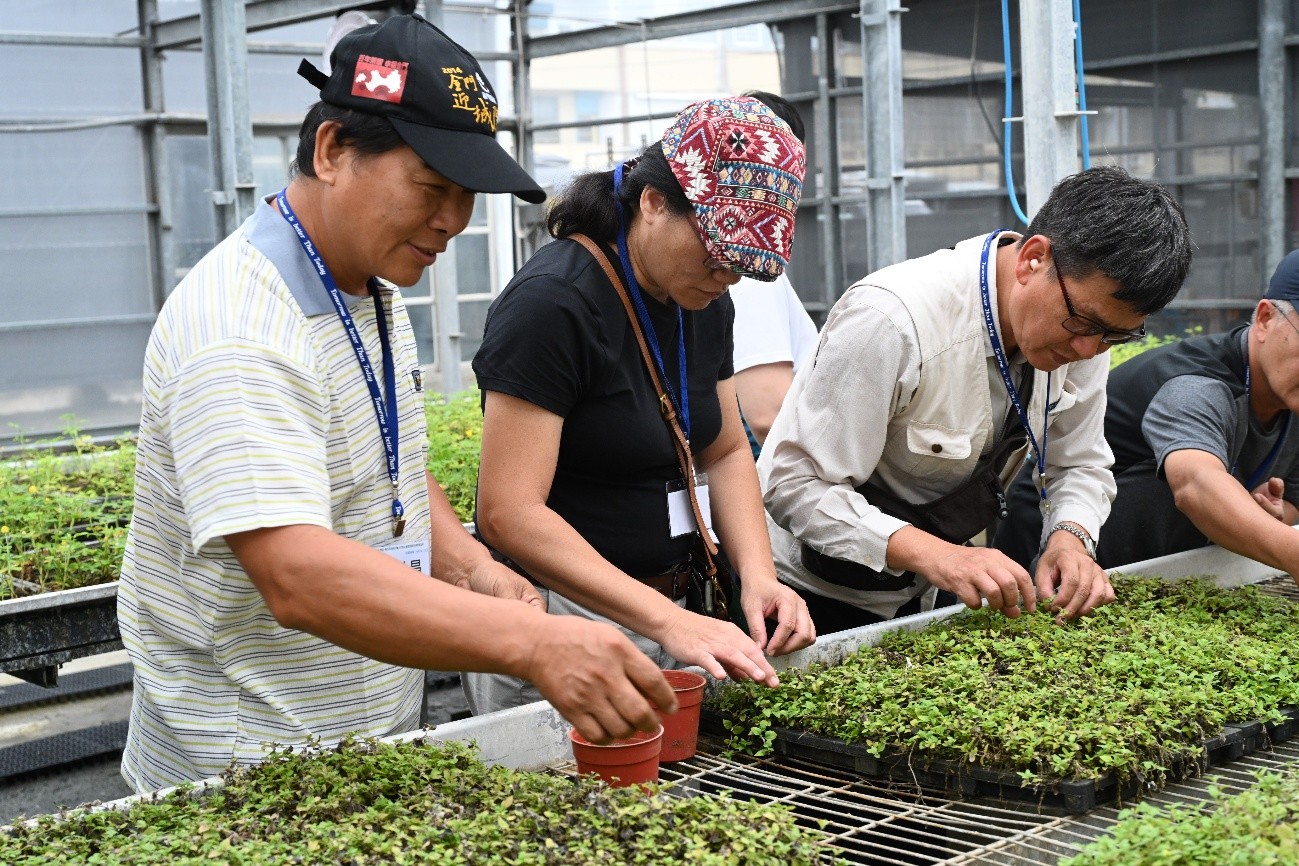
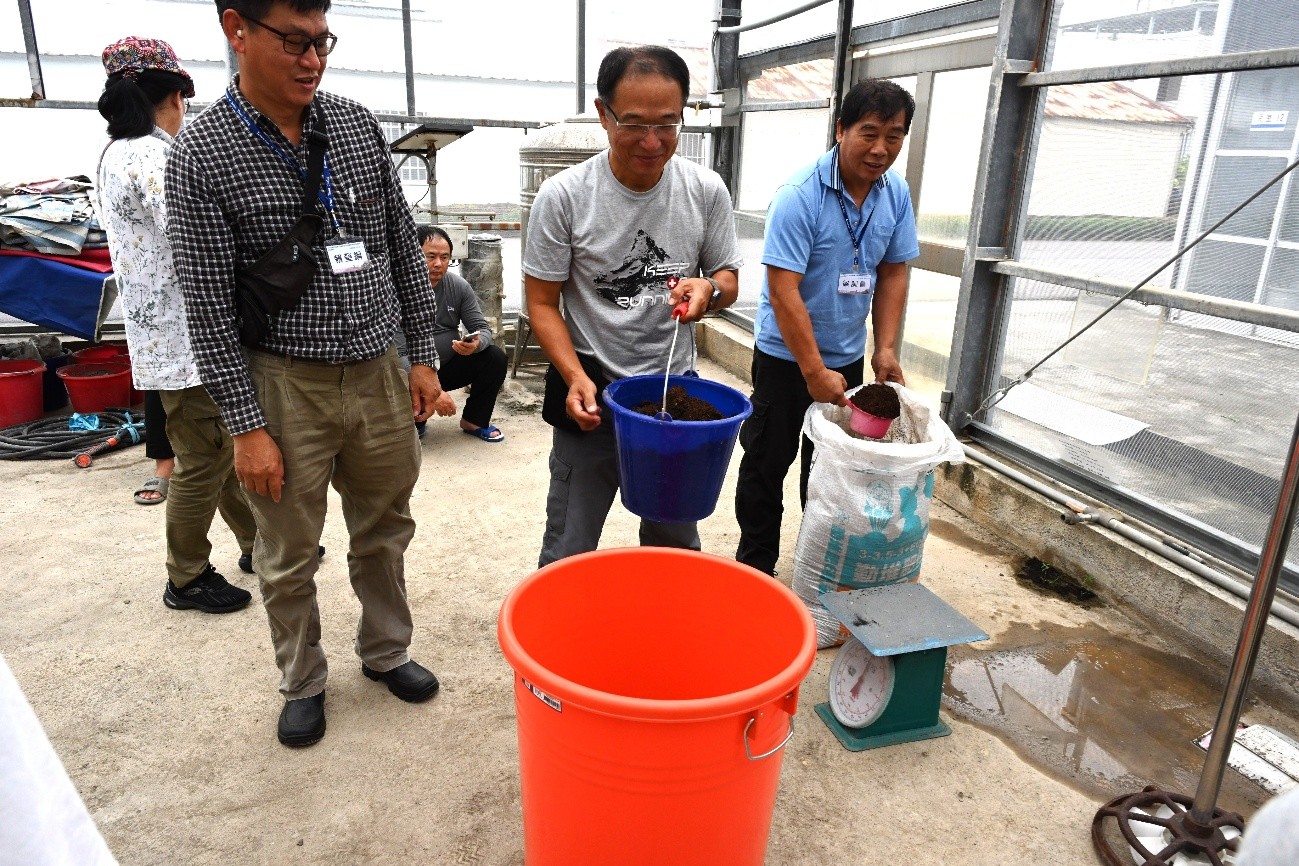
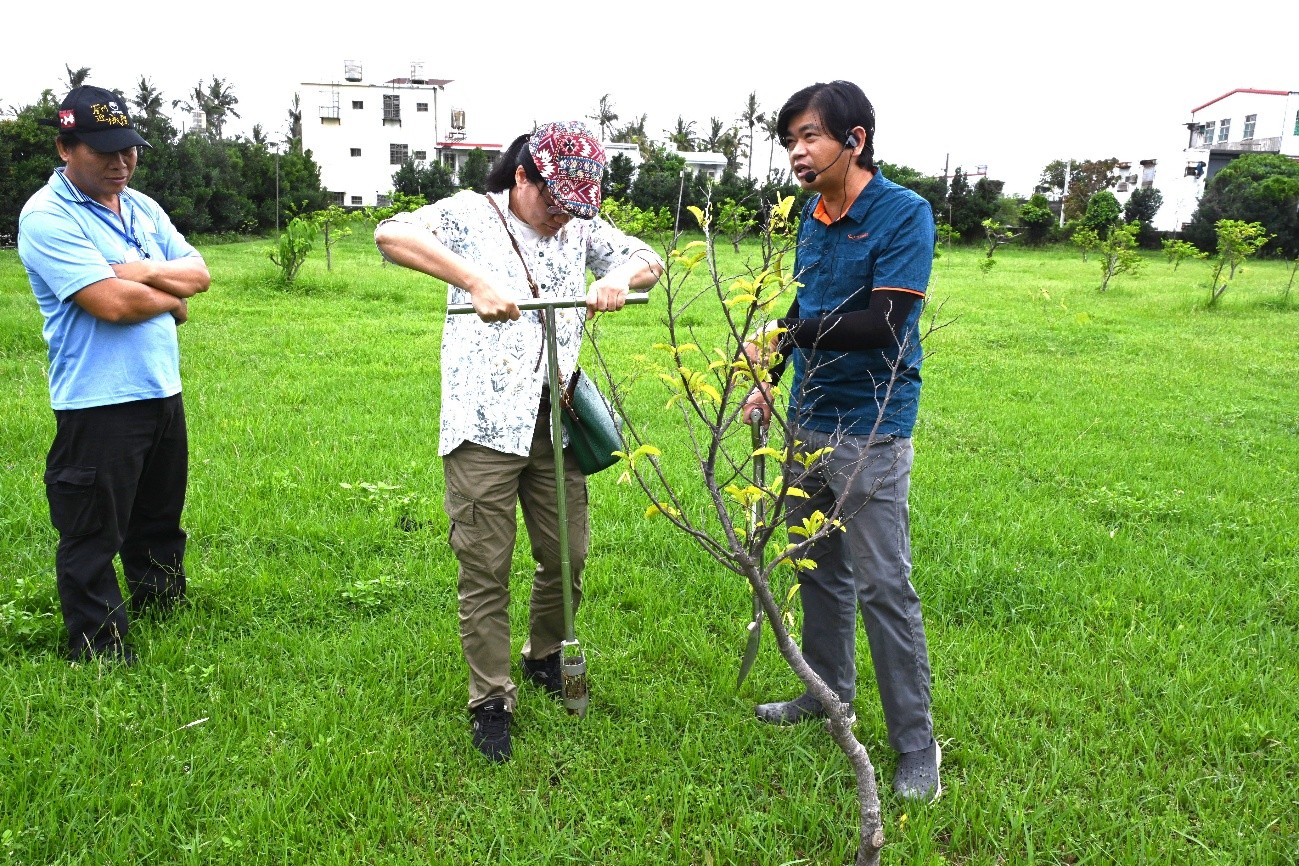
To advance farmers’ understanding of soil features and smart fertilization techniques, in turn enhancing sustainable agricultural management skills, the Taitung District Agricultural Research and Extension Station (TTDARES) of the Ministry of Agriculture held the 2026 Farmers’ Academy—Advanced Class for Eco-friendly Fertilization Management from June 10 to 12, 2026. With the challenges of climate change and increased frequency and intensity of extreme weather events, the soil structure has changed, exacerbating disease and pest problems and thus adding new variables to agricultural production. Soil plays a major role in growing crops; aside from supporting their growth, it also regulates temperature, serves as a habitat for helpful microorganisms and natural enemies of pests, captures carbon, and mitigates greenhouse gas emissions. If the soil can be made healthy, it will not only provide nutrients and water for crops but also reduce pest/disease damage and the cost of prevention. Thus, yields will be higher and safer, achieving agricultural sustainability. This class focused on eco-friendly soil management and fertilization. Associate researcher Chiang Chih-feng of the Taiwan Agricultural Research Institute spoke about sustainable field management methods, describing in detail soil ecosystem services and low-carbon cultivation practices aimed at boosting soil health and thus providing crops with an environment conducive to growth. Associate researcher of the TTDARES Chang Chi-chung discussed soil diagnosis, fertility testing, plant nutrition, fertilization management, how to take soil samples and read soil analysis reports, and other important considerations. He also led participants in making compost and liquid fertilizer. Assistant researcher Huang Wen-yi introduced soil moisture management and grass-cover cultivation and then had participants set tensiometers and gain hands-on experience with grass-cover cultivation. Participants said they learned a lot about soil management, plant nutrition, and fertilization techniques and became reacquainted with the importance of low-carbon soil management practices. In this way, they can continue along the path of sustainable use of the soil to ensure sustainable agriculture and protection for the environment.