To boost farmers’ skills in growing herbs and enhancing their value through processing, the Taitung District Agricultural Research and Extension Station (TTDARES) of the Ministry of Agriculture held its Farmers’ Academy—Advanced Class for Herb Growing & Diverse Applications from April 20 to 24, 2026. The class focused on six-sector industrialization applications for the herb industry, guiding participants with strategies for production, processing, and marketing to further diversify the development potential in the herb industry. Applications for herbs are wide-ranging, including their use in food, medicine, cosmetics, religion, and psychological comfort, hence their massive potential. Taiwan’s climate and environment are perfect for growing herbs, as exemplified by its many endemic species, which are mostly grown on small farms. Thus, keys to helping the industry grow include teaching people how to achieve product differentiation and value enhancement; prepare to enter the industry; properly analyze the market, consumer needs, and product positioning; and understand related processing and food safety regulations. The class discussed six-sector industrialization principles, developing ideas starting with consumer needs and extending through product development/production. It also promoted the Lohas industry, food and agriculture education, and local revitalization.
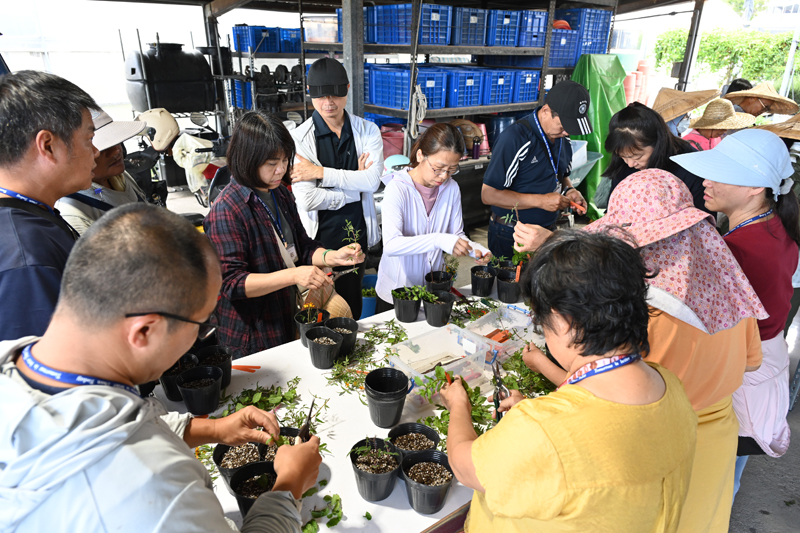
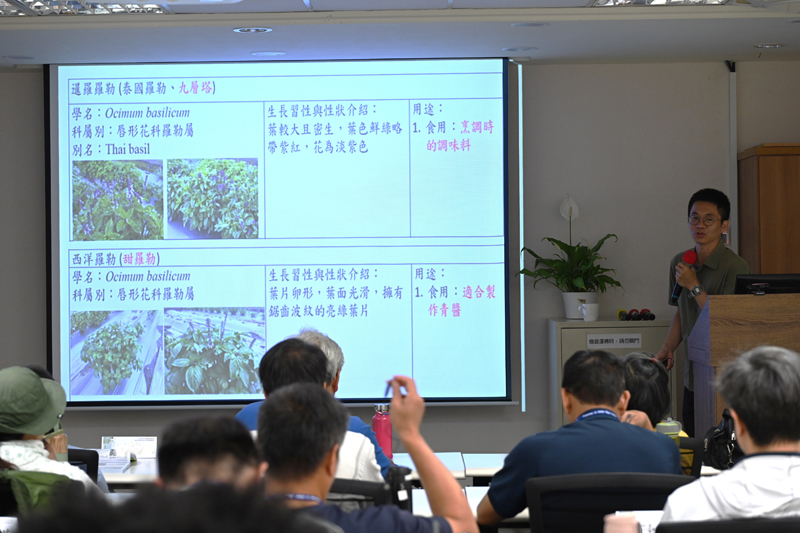
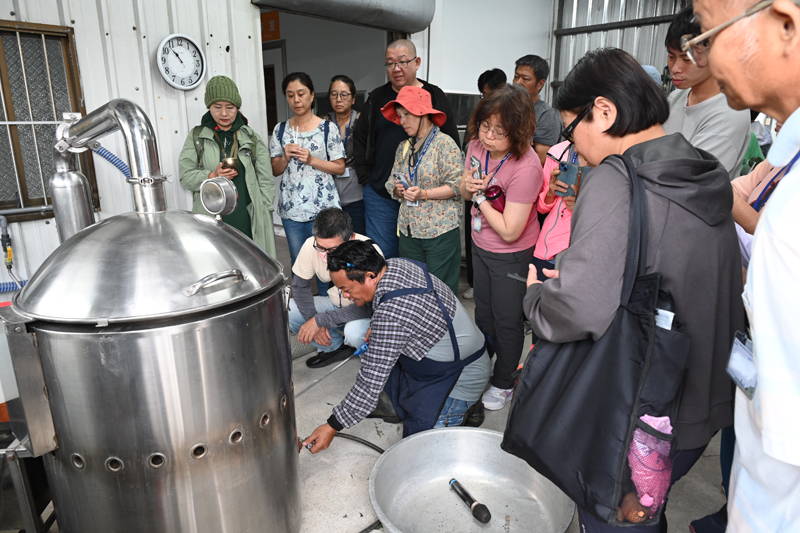
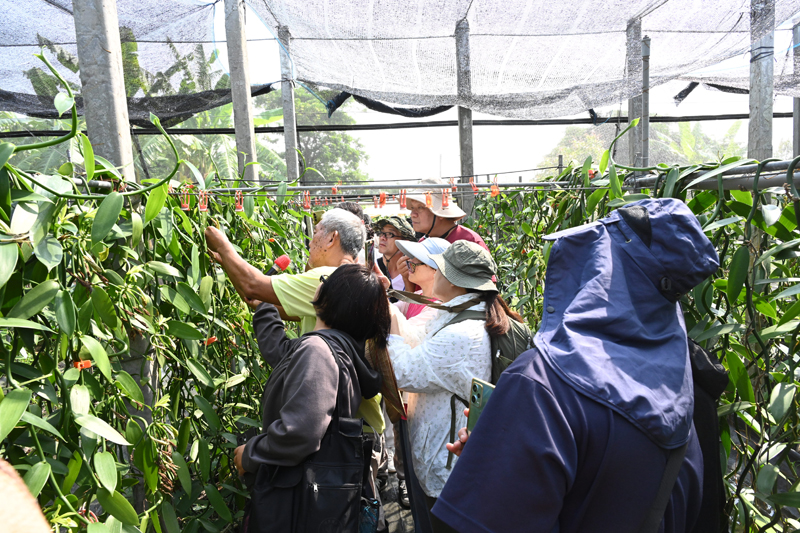
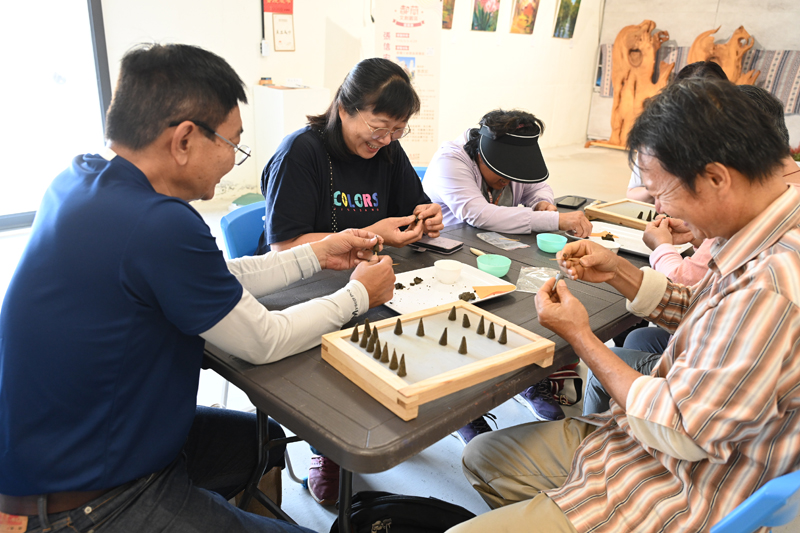
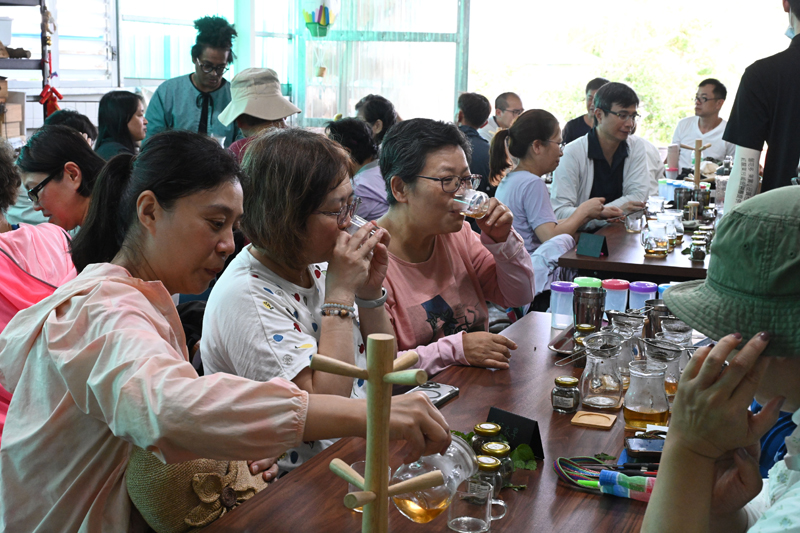
The class covered a theoretical foundation and practical industry applications, including a summary of the herb industry, cultivation management, propagation techniques, disease and pest control, and fertilization. In addition, there were hands-on sessions on essential oil extraction, herbal product making, and practical knowledge sharing, allowing participants to learn the process from raw-material processing to final product creation. In addition, to strengthen industry connections and enhance the effectiveness of the hands-on learning, the class visited a local herb farm to gain an understanding of farm management, making a deeper impression of what was learned in class through interaction, in turn helping participants better understand future industry trends and management planning.